
 Contact us
April 29,2026
Do businesses need video marketing?

If you aren’t using video, you’re missing out on a target audience discovery and engagement channel.
These days, social media platforms tend to push video far more than static posts, so it’s easy to get overlooked without it. The same goes for your website: most people would rather watch a quick video than scroll through a big chunk of text to find what they want. Videos help build trust more quickly and present content in a way that is easier for users to consume.
Key Takeaways:
- Social media has shifted from ‘social’ to content-driven: Platforms are no longer mainly about connecting, they’re now built around consuming fast, engaging content, especially video.
- Video is the dominant format: Short-form video has become the most popular type of content, with people engaging with them more than static posts.
- Attention spans haven’t disappeared, they’ve changed: People will still pay attention, but content has to constantly re-earn it through fast pacing, visuals, and engaging structure.
- Businesses need video to stay competitive: Using video isn’t optional anymore, it’s essential for improving reach, engagement, trust, and overall marketing performance.
- Algorithms favour video: Platforms push video more because it keeps people watching longer, which increases reach, visibility and exposure.
If you force people to work too hard to understand your business, they may simply move on to a competitor. This is because people now prefer content that gets straight to the point without making us work for it. That more frequently means content in video form rather than written posts.
For a business, this shift raises a critical question:
Is the high effort of video production actually worth the reward?
We know that video is passive and effortless to consume. A 30-second clip can deliver the same info as four paragraphs of text, and platforms are actively pushing video because it keeps people on their apps longer. But does that mean you have to do it?
In this article, we’re looking at why video has taken over and how to decide which types of video actually build trust and drive sales for your specific business.
How has social media changed?
There was a time where using social media was about the social aspect, about being connected with each other. Times however have changed, and social media with it, afterall MSN shut down around 12 years ago…admittedly makes me feel a bit old.
Since then, we’ve seen more and more platforms emerge, while older ones have adapted to stay relevant. But one of the most significant shifts has been the rise of video content.
One significant change we’ve seen though, is the rise of videos on socials, and the way we engage on social media has changed. Our attention spans are shorter, we prefer content that gets straight to the point, (whether its quality or not), and new social platforms now cater specifically for that.
Take Youtube for example. It once focused on longform video content and now it has introduced Shorts – with a big 20% of shorts being AI ‘slop’, others consist of bite sized videos that mostly consist of podcast clips – a clever marketing tactic to push someone to catch interest and encourage them to watch the full video.
Why do we prefer video over other post types?
Video feels effortless to consume. You don’t have to read, or think too much, or even fully focus. You can just sit there and watch. It’s passive, and that’s why it works so well.
Compare that to reading a long post or article, where you have to engage a bit more. With video, everything is done for you. The visuals, the audio, the pacing.
A 30-second clip can deliver similar information as a few paragraphs of text. Whether it’s actually better information, or as in depth is another question entirely, but it’s quicker to consume.
As well as this, platforms push video harder because it keeps people on the app longer. One study found that people stay around 2 minutes longer on a website that features videos. The longer you stay, the more you scroll, and the more you scroll, the more content (or ads) you see. It’s a pretty simple loop, but an effective one.
How does video captured our attention?
One of the biggest changes social media has brought is how quickly we lose and regain attention. With endless short-form videos being pushed at us, users are constantly switching between content, often within seconds.
That’s where a lot of the newer editing styles come in.
An example of this you may have experienced was the “Subway Surfers” trend, where gameplay would run alongside a more in-depth video. The constant movement, bright colours, and nonstop action gives your brain something to lock onto while you listen. It’s almost like giving your eyes something to do so you don’t get bored.
This has even been seen happening at gigs…

As one article puts it, this kind of setup creates “an entertaining and stimulating way of processing information,” helping viewers stick around for the full video.
Overall, it’s not really that attention spans have disappeared, they’ve changed, and content now has to know how to earn it back
Is Video better for advertising
Video has become one of the strongest formats for advertising. This is mainly because social media platforms now prioritise video content, most users now browse on mobile devices, and video can also improve visibility through search.
Algorithms prioritise video:
Social media algorithms are heavily designed to favour video content because it keeps users on the platform for longer. The longer someone stays engaged, the more ads they see, which benefits the platform, so video is naturally pushed more than other formats.
This means video ads often get:
- Higher reach compared to static posts
- More chances of appearing on ‘For You’ or explore pages
- Better performance if viewers watch for longer
- Increased visibility without paid promotion
In simple terms, platforms want video to succeed, so they actively promote it
Video is more accessible:
Most of our browsing, shopping and online usage now happens on mobile devices, and video fits perfectly into that behaviour. People can watch content anywhere: on the bus, in bed, between tasks without needing to stop and focus for long periods.
Video advertising works well on mobile because it:
- Takes up more of the screen (high visual impact)
- Plays instantly with sound or captions
- Requires less effort to read or process
- Fits naturally into scrolling behaviour
This makes it far more accessible and immediate compared to traditional advertising methods.
Video has discoverability benefits
Video also helps with visibility beyond just social feeds. Platforms like YouTube function as search engines, meaning well-optimised video content can appear when users search for specific topics or products.
This improves advertising effectiveness because:
- Videos can rank in search results
- Titles, captions, and tags boost discoverability
- Content can continue gaining views long after posting
- Embedded videos can improve website engagement and SEO
Overall, video is often more effective for advertising because it is actively boosted by platform algorithms, designed for mobile-first consumption, and can improve long-term visibility through search and engagement.
Should my business use video for advertising and marketing?
Yes, and for most businesses today, the real question isn’t whether to use video, but how well you’re using it.
If a business isn’t using video, it’s often putting itself at a disadvantage in terms of reach, engagement, and brand awareness.
The main reason is simple – video performs better almost everywhere online. Platforms prioritise it, users engage with it more, and it gives you far more ways to communicate your message compared to static posts.
A single short video can replace an entire paragraph of explanation, while also being more entertaining and memorable.
But it’s not just about posting videos, it’s about using the right types of video for the right purpose.
What type of videos should my business do?
A strong video strategy usually includes a mix of different styles, each serving a different role in attracting, engaging, and converting customers.
Attention-grabbing short-form content
This is your first impression content designed to stop people scrolling. It works especially well on platforms like TikTok, Instagram Reels, and YouTube Shorts.
Typical examples include:
- Quick product showcases
- Before-and-after transformations
- Trend-based or relatable clips
- Fast demonstrations of how something works
The goal here isn’t to explain everything, it’s simply to get noticed and make people curious enough to look further. However, whether you use this form of video may entirely depend on your industry, and audience.
Educational videos
These are a great way to build understanding.
These videos often include:
- “How it works” breakdowns
- Product or service explanations
- Step-by-step guides or tutorials
- Answering common customer questions
This type of content is important because it removes confusion. If someone understands your product quickly, they’re far more likely to trust it and consider buying it.
Trust-building videos
People don’t just buy products, they buy confidence in a brand. Video is one of the best ways to build that trust.
This can include:
- Customer testimonials and reviews
- Behind-the-scenes footage of your business
- Real people using your product or service
- “Day in the life” style business content
This kind of content makes your brand feel more human and less like a faceless company, which is a huge advantage in competitive markets.
Longer-form videos
Not every business needs long-form video, same as short form, but for some industries it can be effective. This is usually used when your product or service requires more explanation or deeper storytelling.
Examples include:
- Detailed product demonstrations
- In-depth tutorials or training videos
- In-depth tutorials or training videos
- Brand storytelling or documentary-style content
- Interviews or expert discussions
While these videos reach fewer people initially, they often create stronger engagement and higher conversion rates because viewers are more invested.
What are the best kinds of videos to have on a website?
The best videos on a website are the ones that quickly explain your business or product/service and make it easier for visitors to understand what you offer without having to read loads of text.
Good options include:
- Short homepage videos that introduce your brand and what you do
- Product or service demos that show how something works in real time
- Product or service demos that show how something works in real time
- Explainer videos that break down your service in a simple, clear way
- Customer testimonials to build trust through real experiences
- Showcase clips to demonstrate products or services
Overall, the most effective website videos are the ones that reduce confusion, build trust quickly, and help people decide whether your business is right for them.
Our tips for creating videos that engage
Creating engaging videos isn’t just about having good content, it’s about understanding how people actually watch online. Most users are scrolling quickly, half-focused, and deciding within seconds whether something is worth their time. Because of that, structure often matters more than the idea itself.
Hook your audience:
The opening seconds of a video are where most viewers are won or lost. If nothing grabs attention immediately, people don’t hesitate to scroll away.
One technique I’ve seen is starting a video with a strong, incomplete claim, such as: “videos are leading to a 20% boost in conversions…” It works because it creates an information gap, which encourages the user to keep watching.
The viewer understands something is happening, but not how or why, and that curiosity is what keeps them watching.
These videos, then go into that how or why, ending with a statement such as ‘And that’s how…’ So that when it loops back, it completes the statement of ‘that’s how videos are leading to a 20% boost in conversions’.
Good hooks usually work by doing one of a few things:
- Presenting a surprising result or stat
- Highlighting a problem the viewer recognises
- Making a bold or slightly unexpected claim
- Asking a question that feels unanswered
The goal isn’t to explain, it’s to create curiosity strong enough that people stay.
Tone and delivery:
Finally, how something is said often matters just as much as what is said. Highly polished or overly scripted content can sometimes feel distant, especially on platforms where casual, person to person content performs best.
The most engaging videos tend to feel:
- Natural rather than rehearsed
- Conversational rather than formal
- Personal rather than corporate
Keep attention by building on your topic:
Once someone is watching, the aim is to keep them watching.
Instead of front-loading all the information, strong videos will reveal ideas as they go. Each sentence should add something new or move the viewer closer to the answer.
Remember, If everything is given away in a video too early, people lose reason to stay.
Visuals are doing half the work
A big part of engagement isn’t just what is being said, it’s what is being shown. On social media, visuals carry a huge amount of attention.
That’s why strong videos will combine the message with constant visual stimulation. This means keeping things fresh and engaging and avoiding anything staying static for too long.
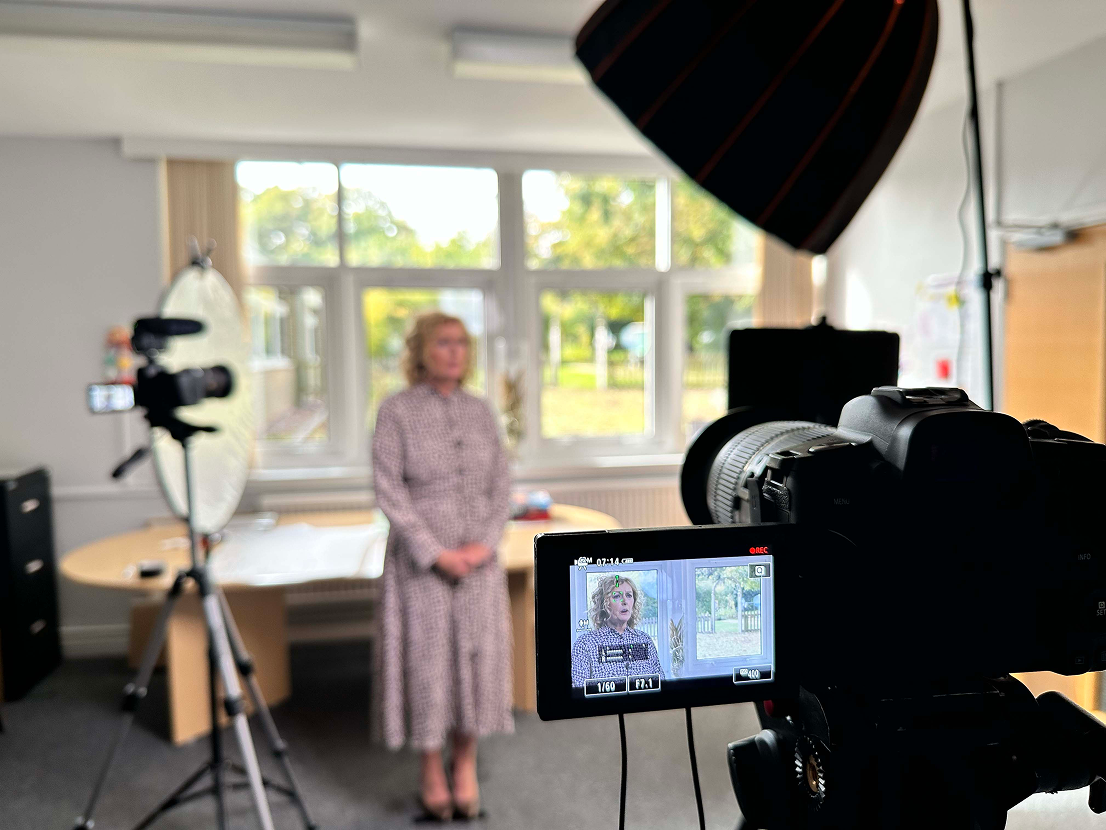
Here’ a video we did for one of our clients, and how we implemented this to help build on the experience of their zoo, and establish their brand:
Effective visual strategies for videos may include:
- Cuts between shots or angles
- On-screen text that reinforces key points
- Real footage or examples instead of abstract explanation
- Background movement or changes in framing
- Visuals that match or exaggerate what is being said
These may vary depending on the type of video you create. But even simple content can feel engaging if the visuals are doing enough work to hold attention.
Good structure will create retention:
Short-form videos work because they follow a clear flow that keeps viewers watching without them really thinking about it.
Instead of feeling random or disconnected, the best videos are designed so each part naturally leads into the next, creating a smooth sense of progression. Think of it like this…
Hook → Build → Payoff.
This structure is what turns a simple idea into something engaging. The opening grabs attention, the middle develops the idea further, and the ending delivers a clear payoff. When this flow is done well, it removes any point where a viewer feels like they can safely scroll away, because there is always something still being built or explained.
Final Thoughts
video marketing isn’t just another option sitting alongside text and images, it’s become the default way people expect to engage with content online. The shift isn’t really about trends, it’s about behaviour. People scroll quickly, consume passively, and choose content that delivers value with the least effort. Video fits that perfectly.
For businesses, this doesn’t mean you need high production, big budgets, or constant posting. What it does mean is understanding how your audience consumes content and meeting them there in a way that feels natural. In many cases, a simple, well-structured video will outperform something overly polished but disconnected.
Businesses that adapt to this shift will find it easier to stay visible, build trust, and connect with their audience. Those that don’t risk becoming easy to overlook.
Video isn’t the future of social media marketing anymore, it’s already the standard. The question now is how well you use it.